
Tags: GS Paper 2 – Constitution: Citizenship; Government Policies; Issues relating to Vulnerable Sections
For Prelims: Citizenship (Amendment) Act 2019, Citizenship Amendment Rules 2024, Section 6B, Matua Mahasangha, Namasudras, Thakurnagar, Articles 5–11, Section 6A
For Mains: Religion-based citizenship eligibility and secularism, refugee policy in India, CAA implementation in border States
Why in News?
West Bengal Chief Minister Suvendu Adhikari said the State has set a target of giving citizenship certificates to 2.5 lakh Matuas under the Citizenship (Amendment) Act (CAA) by 31 December 2026. So far only about 25,000 people have received citizenship under the CAA. The names of those who get citizenship will be added to the electoral rolls in January.
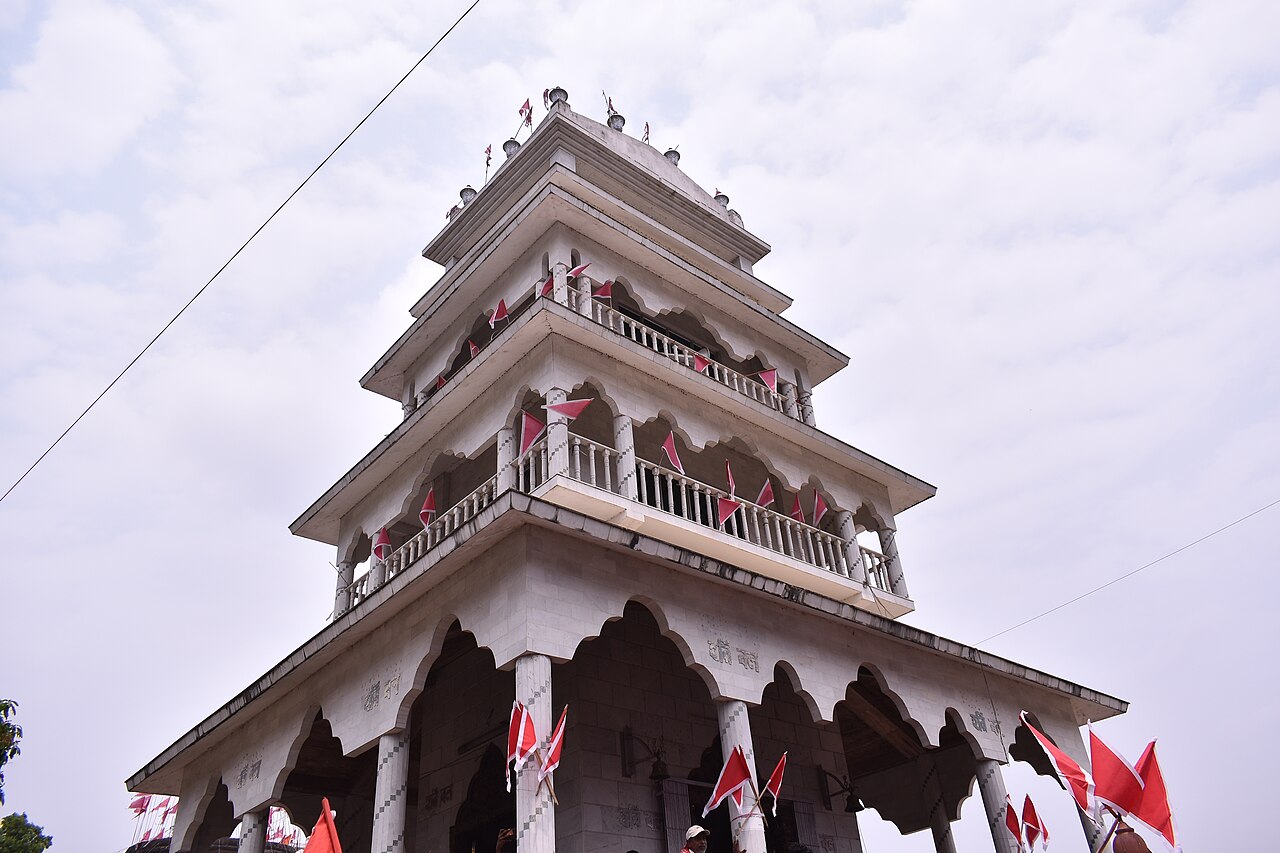
Who are the Matuas?
- A religious reform movement among the Namasudra (a Scheduled Caste) Hindus, started by Harichand Thakur in the 19th century in present-day Bangladesh. It was organised further by his son Guruchand Thakur.
- It rejected caste hierarchy and promoted education and social reform.
- Many Matuas migrated to India after Partition (1947) and the 1971 war. They live mainly in the North 24 Parganas and Nadia districts. Thakurnagar is the community’s religious headquarters.
- They are politically important in several Assembly and Lok Sabha seats in West Bengal.
About the CAA, 2019
- Amends the Citizenship Act, 1955 to provide a faster route to citizenship for Hindus, Sikhs, Buddhists, Jains, Parsis and Christians from Afghanistan, Bangladesh and Pakistan who entered India on or before 31 December 2014.
- Such persons are not treated as ‘illegal migrants’. The residency requirement for naturalisation is reduced from 11 to 5 years.
- Section 6B provides for certificates of registration or naturalisation.
- Exemptions: Sixth Schedule tribal areas of Assam, Meghalaya, Mizoram and Tripura, and areas under the Inner Line Permit.
- Rules: Notified in March 2024. Applications are made online and processed by district-level and State-level Empowered Committees. Proof of the country of origin is required.
Why are Applications Slow?
- Applicants must prove their origin in Bangladesh and their date of entry. Many lack documents, and some fear that declaring foreign origin could put their existing Indian papers at risk.
- Many Matuas already hold voter IDs and Aadhaar, so the incentive to apply is low.
- Officials have limited capacity for verification.
Debates Around the CAA
- Article 14: Critics say the religion-based classification is arbitrary and leaves out persecuted groups such as Ahmadiyyas, Rohingyas and Tamil refugees. Petitions are pending before the Supreme Court.
- Government’s view: The Act is a humanitarian measure for religious minorities persecuted in Islamic neighbouring countries. It does not take away anyone’s citizenship.
- Assam: Fears that the CAA conflicts with the 1971 cut-off in the Assam Accord (Section 6A, upheld in 2024).
Frequently Asked Questions (FAQs)
1. What is the cut-off date for eligibility under the CAA?
31 December 2014.
2. Which section of the Citizenship Act provides for certificates under the CAA?
Section 6B.
3. Who founded the Matua movement?
Harichand Thakur.
Practice Question
Mains: Examine the constitutional and humanitarian dimensions of the Citizenship (Amendment) Act, 2019, with reference to its implementation in West Bengal. (250 words)
Sources and further reading
- Pinakpanicommons.wikimedia.org