
Announcements
UPSC Foundation 2026 Prime Batch - Admissions Open JPSC 14th CCE Complete Course 2025 - Enroll Now Mains Practice Questions Programme - Limited Seats Daily Current Affairs - Free Access UPSC Prelims Test Series 2026 - 5000+ MCQs
+91 91025 57680
learnpro Civil Services
LearnPro Menu
Home Current Affairs Download Notes All Articles
UPSC
UPSC NOTES
STATE PSC
OPTIONAL SUBJECTS
CURRENT AFFAIRS
DAILY EDITORIAL
COURSES
UPSC PYQ Solutions Mains Practice Questions WhatsApp Counselling Call +91 91025 57680 Online Courses

UPSC Prelims • General Studies Paper I • Indian Heritage

Art and Culture Notes for UPSC

Study Indian architecture, sculpture, religions, literature, festivals, music, textiles and living heritage through topic-wise notes arranged for systematic UPSC preparation.
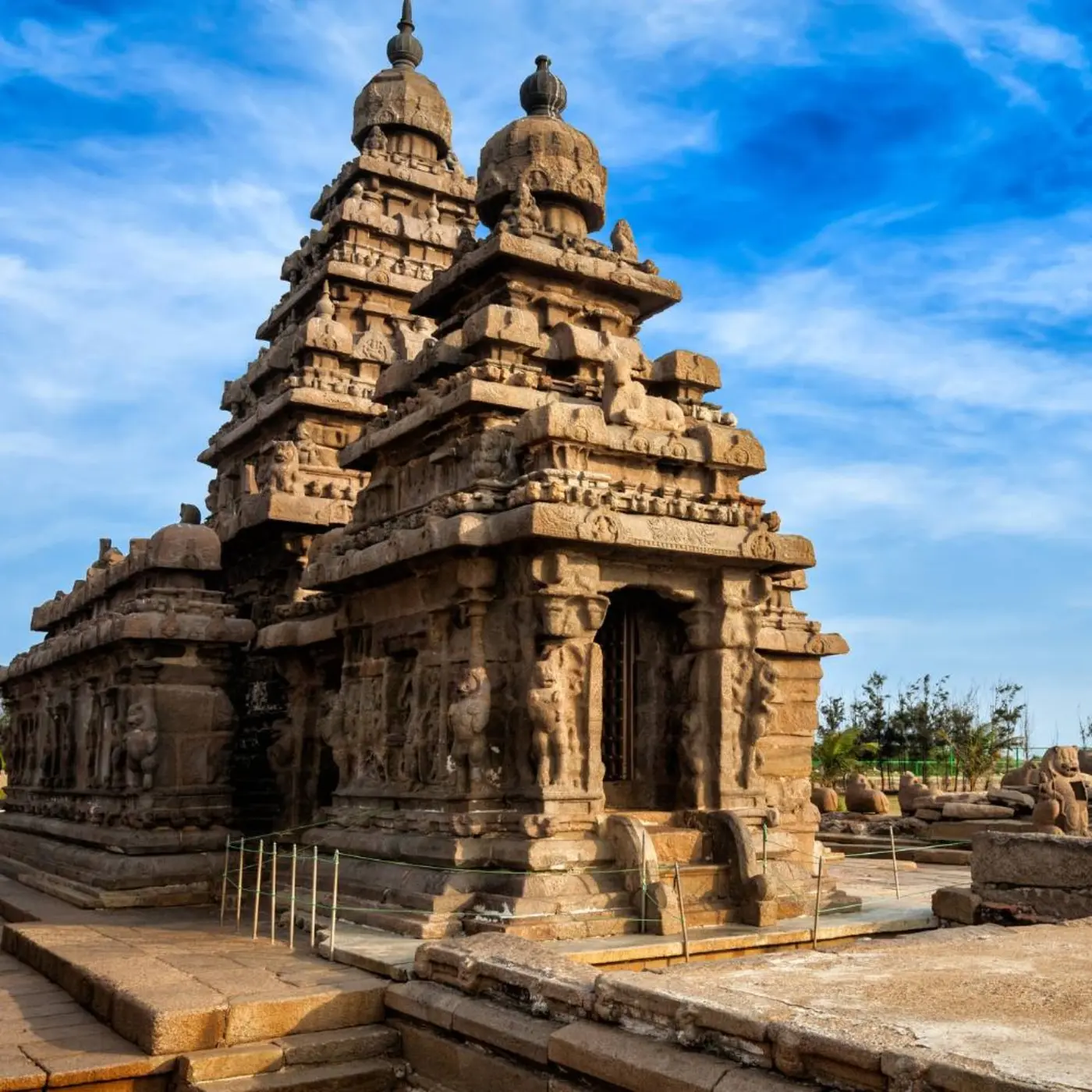
Art and Culture Notes for UPSC – historic Indian temple architecture

Indian temple architecture • Heritage

Art and Culture Notes: Topic-wise Study Map

This cluster brings together LearnPro’s published Art and Culture Notes for UPSC. Follow the sequence from material heritage and religious traditions to literature, performing arts, crafts and contemporary heritage policy.

Recently published

Latest Art and Culture Notes for UPSC

Only notes assigned to this subject are shown here. Current affairs and exam notifications are listed separately.

Mesolithic Rock Paintings in IndiaMesolithic rock paintings offer crucial insights into prehistoric Indian cultures, making them vital for UPSC GS Paper I. These artworks, including petrographs and petroglyphs,…Read notes →Chola Empire (9th -13th century AD): Administration, Local Govt., Village Economy, SocietyFoundation of the Chola Empire The Chola Empire was founded by Vijayalaya, who initially served as a feudatory of the Pallavas. His rise began…Read notes →Unification of Germany: The Birth of a NationThe Unification of Germany in the 19th century stands as one of the most pivotal moments in European history, marking the emergence of a…Read notes →The Renaissance in Italy 14th Century: A Rebirth and TransformationIntroduction: Rediscovering Humanity’s Potential The Renaissance, derived from the French word meaning "rebirth," represents one of the most transformative periods in human history. Emerging…Read notes →Raja Ram Mohan Roy: The Father of Modern IndiaIntroduction Raja Ram Mohan Roy, often referred to as the "Father of Modern India," was a visionary reformer who played a pivotal role in…Read notes →Ashokan Pillars: Mauryan Art and PhilosophyIntroduction The Ashokan pillars are monumental structures erected during the reign of Emperor Ashoka (268–232 BCE), the third ruler of the Mauryan Empire. These…Read notes →Achaemenid Empire (550 BCE to 330 BCE): A brief IntroductionIntroduction The Achaemenid Empire, also known as the First Persian Empire, was one of the largest and most influential empires in ancient history. Spanning…Read notes →Early Medieval India (750-1200) – A detailed OverviewThe early medieval India (750-1200 AD) is marked by significant political, economic, social, and cultural transformations, which have posed a challenge to historians attempting…Read notes →Archaeological Sources: Excavation, Epigraphy and NumismaticsArchaeological sources are indispensable for understanding India's ancient past, offering crucial insights for UPSC and State PCS aspirants studying history and culture.Read notes →Mauryan Empire: Foundation and ExpansionThe Mauryan Empire, founded by Chandragupta Maurya in 322 BCE, was a pivotal ancient Indian power. Learn about its foundation, expansion, and key sources…Read notes →Mauryan Art, Architecture, and Sculpture : 4th Century BC Marvels (PDF DownloadThe Mauryan Empire marked a pivotal era for Indian art, architecture, and sculpture, transitioning from wood to stone as the primary medium. This period,…Read notes →Chandragupta MauryaChandragupta Maurya, founder of the Mauryan Empire, unified ancient India, overthrowing the Nanda dynasty and defeating Seleucus I Nicator. His reign is crucial for…Read notes →

Indian Architecture, Sculpture and Archaeology Notes

Material culture from prehistoric remains and megaliths to Mauryan sculpture, Buddhist sites and protected heritage.

Indian Religions, Philosophy and Sacred Traditions

Foundational ideas, sacred landscapes and the continuing cultural influence of Buddhism, Jainism and other Indian traditions.

Festivals, Music, Textiles and Living Traditions

India’s intangible heritage through festivals, traditional music, handloom knowledge and craft economies.

Language, Literature and Manuscript Heritage

Languages, literary traditions, manuscripts and new technologies for preserving India’s cultural knowledge.

Regional, Tribal and Community Heritage

Regional identities, tribal traditions and community histories that enrich India’s cultural diversity.

Cultural Heritage Institutions and Current Affairs

Contemporary questions of heritage conservation, cultural diplomacy, UNESCO and technology.

UPSC Art and Culture Syllabus, Books and Resources

Use these resources to connect the topic notes with GS Paper I, standard books and exam preparation.

Art and Culture Notes for UPSC: FAQs

What should I study for Art and Culture in UPSC?

Prioritise Indian architecture and sculpture, religions and philosophy, literature, music, dance, theatre, paintings, crafts, festivals, UNESCO heritage and current issues related to conservation. Link every topic to the GS Paper I syllabus and previous-year questions.

Are Art and Culture questions asked in UPSC Prelims and Mains?

Yes. Prelims tests factual and conceptual understanding of heritage, traditions and institutions, while GS Paper I expects analytical answers on Indian culture, art forms, literature and architecture from ancient to modern times.

How should beginners use these Art and Culture Notes?

Begin with architecture and religious traditions, then cover literature, performing arts and crafts. Revise through theme-wise tables and add current affairs such as UNESCO inscriptions and heritage conservation initiatives.

Which standard book is useful for UPSC Art and Culture?

NCERT material and a standard Art and Culture reference book can provide the base. Use these topic-wise notes for focused revision, examples, current developments and internal links to related history topics.

Build Art and Culture into Your GS Paper I Preparation

Study one theme at a time, make visual timelines and comparison tables, and revise these notes alongside History Notes for UPSC and Daily Current Affairs.