
Source: The Hindu, 7 November 2026
For Prelims: Ethanol Blended Petrol (EBP) Programme, E20, National Policy on Biofuels 2018, Ethanol Supply Year, PM JI-VAN Yojana, Oil Marketing Companies, NABL.
For Mains: Energy security and import dependence, biofuels and climate commitments, food–fuel–water trade-offs, consumer protection and regulatory transparency.
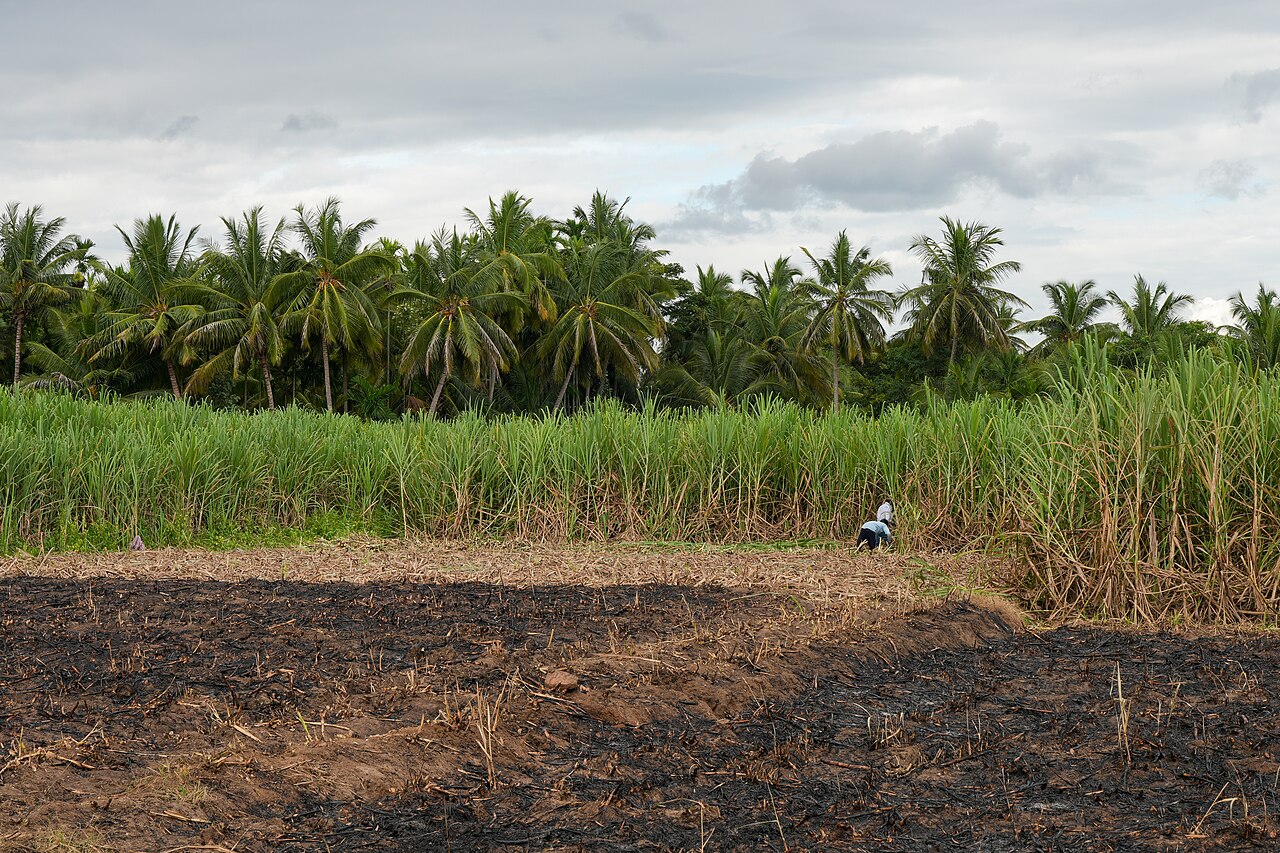
Table of Contents
- Why in News?
- What did the Karnataka Tests Find?
- What is the Ethanol Blended Petrol (EBP) Programme?
- Why is Ethanol Blending Important?
- What are the Concerns?
- Way Forward
- Conclusion
- UPSC Previous Year Questions (PYQs)
- Prelims Practice Question
- Mains Practice Question
- Frequently Asked Questions (FAQs)
- Related Reads on LearnPro
Why in News?
The Karnataka government has said that petrol samples collected from outlets of major oil marketing companies (OMCs) in six districts contained ethanol well above the prescribed 20% limit, with one sample recording as high as 31.2%. The State has also alleged that in-house laboratories of the oil companies did not disclose ethanol content in their test reports, raising questions of transparency in the sale of ethanol-blended petrol across the country.
What did the Karnataka Tests Find?
Samples were drawn by the State’s Department of Legal Metrology from Bengaluru Urban, Bengaluru Rural, Kolar, Chikkaballapura, Tumakuru and Dakshina Kannada districts and later re-tested at NABL-accredited laboratories.
| Oil company | Ethanol content reported in sample | Deviation from E20 norm |
|---|---|---|
| Indian Oil Corporation Ltd (IOCL) | 31.2% | +11.2 percentage points |
| Hindustan Petroleum Corporation Ltd (HPCL) | 30.5% | +10.5 percentage points |
| Bharat Petroleum Corporation Ltd (BPCL) | 26.5% | +6.5 percentage points |
| Nayara Energy | 26.1% | +6.1 percentage points |
| Shell | 25.5% | +5.5 percentage points |
Note: Figures as claimed by the Karnataka government; the oil companies’ response and independent verification are awaited.
What is the Ethanol Blended Petrol (EBP) Programme?
- About: Launched in 2003, the EBP Programme mandates OMCs to sell petrol blended with ethanol, an alcohol produced mainly from sugarcane and grain-based feedstocks.
- Nodal ministry: Ministry of Petroleum and Natural Gas (MoPNG).
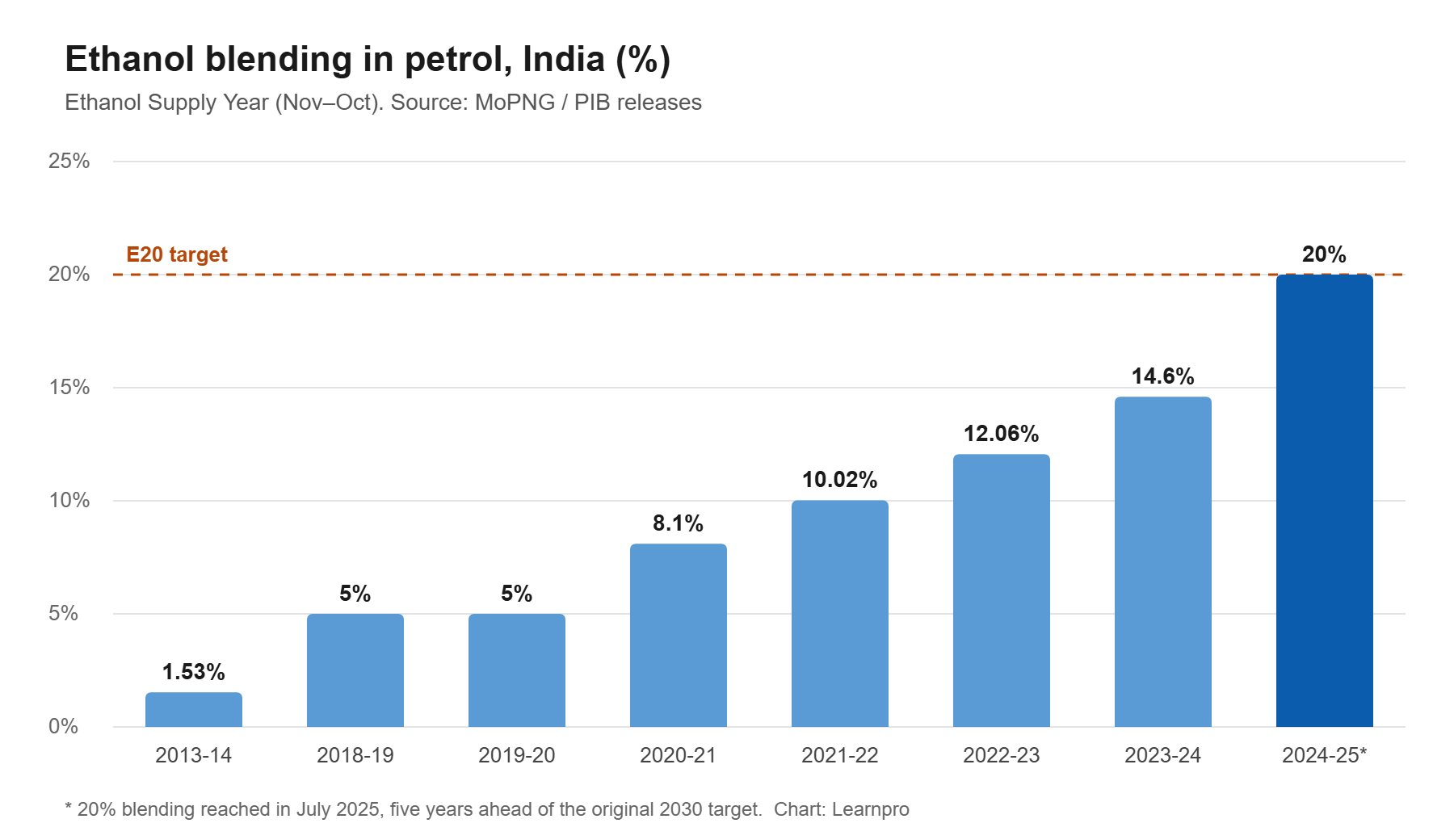
- E20: Petrol containing 20% ethanol and 80% petrol. India achieved the 20% blending milestone in July 2025, ahead of the original 2030 timeline.
- Ethanol Supply Year (ESY): Ethanol procurement by OMCs is tracked over a supply year running from November to October.
- Feedstocks: C-heavy and B-heavy molasses, sugarcane juice/syrup, damaged food grains, maize and surplus rice; second-generation (2G) ethanol can use crop residue such as rice straw.
Policy Framework
| Policy / Scheme | Key provisions |
|---|---|
| National Policy on Biofuels, 2018 | Expanded permissible feedstocks for ethanol; set an indicative 20% blending target by 2030. |
| Amendment to the Biofuel Policy, 2022 | Advanced the E20 target from 2030 to ESY 2025-26. |
| Pradhan Mantri JI-VAN Yojana, 2019 | Viability gap funding for second-generation (2G) bio-ethanol projects using lignocellulosic biomass. |
| Roadmap for Ethanol Blending in India 2020-25 (NITI Aayog) | Laid out the pathway for E20, including vehicle compatibility, fuel efficiency and supply-side measures. |
| Interest subvention schemes for distilleries | Support for new and expanded grain- and molasses-based ethanol capacity. |
Why is Ethanol Blending Important?
| Dimension | Benefit |
|---|---|
| Energy security | India imports over 85% of its crude oil requirement; ethanol substitutes part of the petrol demand with a domestic fuel. |
| Foreign exchange | Government estimates put forex savings since 2014-15 at over ₹1.3 lakh crore. |
| Farmers’ income | Payments by OMCs to distillers support timely clearance of sugarcane dues and create demand for maize and surplus grain. |
| Emissions | Ethanol burns cleaner, cutting carbon monoxide and hydrocarbon emissions; it supports India’s net-zero 2070 pathway. |
| Waste to wealth | 2G ethanol from crop residue can reduce stubble burning in north India. |
What are the Concerns?
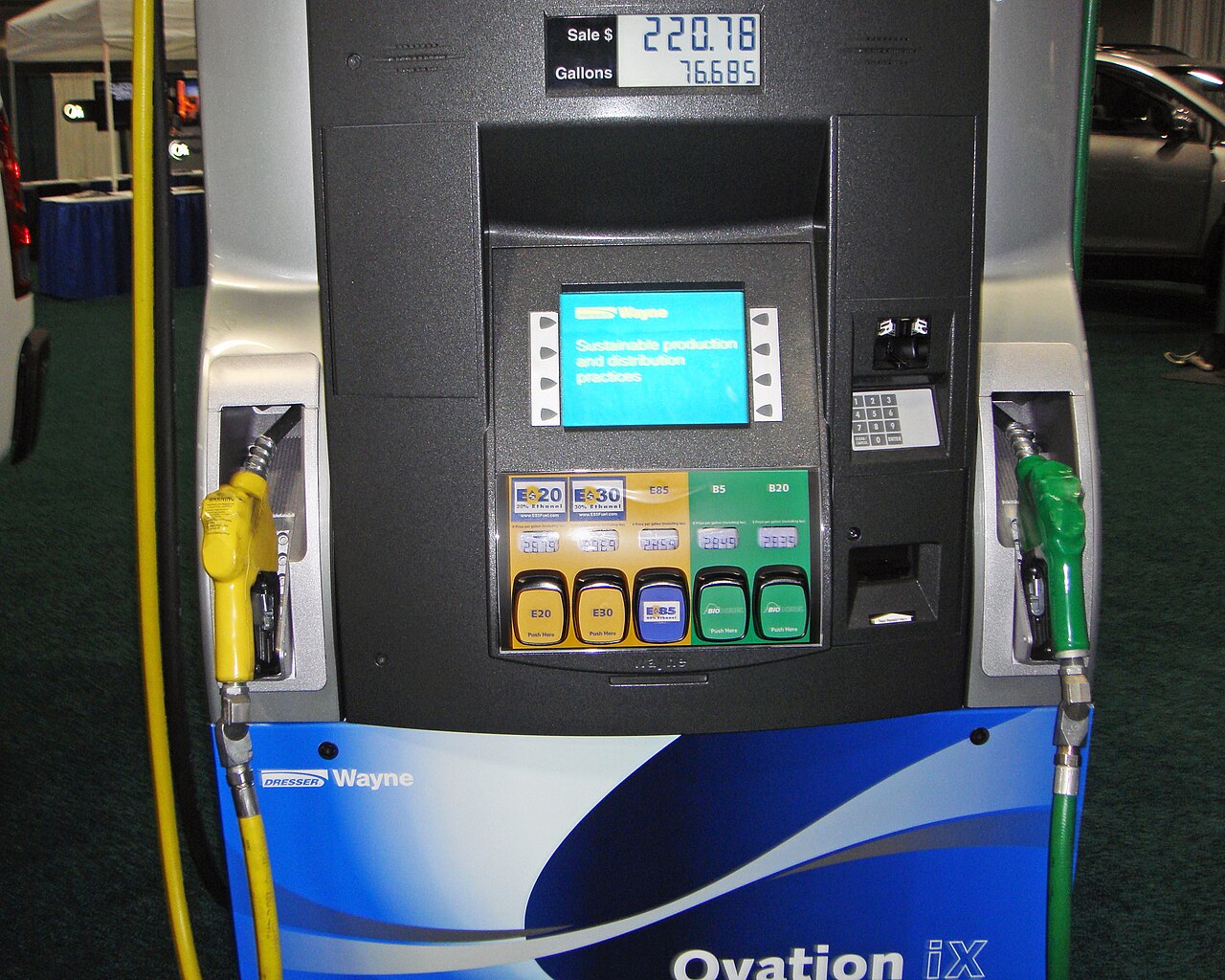
- Quality and transparency: Blends far above 20% suggest weak quality control at depots and inadequate disclosure of ethanol content in test reports.
- Vehicle compatibility: Many older vehicles were designed for E5 or E10. Ethanol is hygroscopic and can corrode rubber seals, fuel lines and some metal parts if materials are not compatible.
- Fuel efficiency: Ethanol has lower energy density than petrol. NITI Aayog’s roadmap estimated a mileage drop of about 6–7% for four-wheelers designed for E0 and calibrated for E10, when run on E20.
- Consumer pricing: Consumers have questioned why E20 is not priced lower despite lower energy content and cheaper ethanol procurement.
- Food vs fuel: Diversion of sugarcane, maize and rice for ethanol may affect food and feed availability and prices.
- Water stress: Sugarcane is water-intensive; heavy reliance on it can worsen groundwater depletion in States like Maharashtra and Karnataka.
Way Forward
- Mandatory labelling: Display the exact ethanol percentage at fuel pumps and on bills, and publish test results of OMC labs.
- Independent testing: Periodic third-party sampling by NABL-accredited labs, with penalties for deviation from BIS fuel standards.
- Protect consumers: Offer an E10/premium option for older vehicles and issue clear advisories on compatibility and warranties.
- Diversify feedstock: Scale up 2G ethanol from agricultural residue and promote less water-intensive crops such as maize and millets.
- Flex-fuel transition: Encourage flex-fuel and E20-compliant vehicles before considering blends beyond 20%.
Conclusion
The early achievement of E20 is a major step towards energy self-reliance, but the Karnataka findings show that the next phase must focus on quality, transparency and consumer trust. A credible testing and labelling regime is essential before India moves towards higher blends.
UPSC Previous Year Questions (PYQs)
UPSC Prelims 2020
Q. According to India’s National Policy on Biofuels, which of the following can be used as raw materials for the production of biofuels? 1. Cassava 2. Damaged wheat grains 3. Groundnut seeds 4. Horse grams 5. Rotten potatoes 6. Sugar beet Select the correct answer using the code given below:
- 1, 2, 5 and 6 only
- 1, 3, 4 and 6 only
- 2, 3, 4 and 5 only
- 1, 2, 3, 4, 5 and 6
Show answer
Answer: (a) — See full explanation
UPSC Prelims 2017
Q. It is possible to produce algae based biofuels, but what is/are the likely limitation(s) of developing countries in promoting this industry? 1. Production of algae based biofuels is possible in seas only and not on continents. 2. Setting up and engineering the algae based biofuels production requires high level of expertise/ technology until the construction is complete. 3. Economically viable production necessitates the setting up of large scale facilities which may raise ecological and social concerns. Select the correct answer using the code given below:
- 1 and 2 only
- 2 and 3 only
- 3 only
- 1, 2 and 3
Show answer
Answer: (b) — See full explanation
Prelims Practice Question
Q. With reference to the Ethanol Blended Petrol (EBP) Programme in India, consider the following statements:
- The National Policy on Biofuels, 2018 permits the use of damaged food grains for ethanol production.
- The 2022 amendment to the policy advanced the 20% blending target to ESY 2025-26.
- Ethanol has a higher energy density than petrol, which improves vehicle mileage.
Which of the statements given above is/are correct?
(a) 1 only
(b) 1 and 2 only
(c) 2 and 3 only
(d) 1, 2 and 3
Answer: (b) — Statement 3 is incorrect; ethanol has lower energy density than petrol.
Mains Practice Question
Q. India achieved its E20 ethanol blending target five years ahead of schedule. Examine the benefits of the programme and discuss the regulatory and sustainability challenges that must be addressed before moving to higher blends. (250 words)
Frequently Asked Questions (FAQs)
What is E20 fuel?
E20 is petrol blended with 20% ethanol and 80% petrol. India reached the 20% blending level in July 2025, ahead of the original 2030 target.
Who runs the Ethanol Blended Petrol Programme?
The Ministry of Petroleum and Natural Gas runs the programme, launched in 2003. Oil marketing companies buy ethanol from distilleries and sell blended petrol.
Why does ethanol-blended petrol reduce mileage?
Ethanol has a lower energy content than petrol. NITI Aayog’s roadmap estimated a mileage drop of about 6–7% for four-wheelers designed for pure petrol and calibrated for E10, when run on E20.
Which feedstocks can be used to make ethanol in India?
Sugarcane juice, B-heavy and C-heavy molasses, damaged food grains, maize and surplus rice. Second-generation (2G) ethanol can be made from crop residue such as rice straw.
Related Reads on LearnPro
- Ethanol Blending in India: E20 Benefits, Costs and Trade-offs
- Indonesia’s B50 Biodiesel Policy: Energy Security and Economic Implications
- India’s Strategic Petroleum Reserves: Capacity Utilization and Energy Security Challenges Amid Global Uncertainty
- Decarbonisation in India: Net Zero 2070, Grid and Carbon Market