
Brief Context
Context Computer Emergency Response Team (CERT-In) and SISA launched the first Digital Threat Report 2024 to support cybersecurity in the Banking, Financial Services and Insurance (BFSI) sector. About The report offers insights into current and emerging cyber threats, vulnerabilities, and adversarial tactics affecting BFSI. The findings offer a holistic understanding of the current cybersecurity landscape and guide organizations in preparing for future threats.
Source Content
Syllabus: GS3/Cybersecurity
Context
- Computer Emergency Response Team (CERT-In) and SISA launched the first Digital Threat Report 2024 to support cybersecurity in the Banking, Financial Services and Insurance (BFSI) sector.
About
- The report offers insights into current and emerging cyber threats, vulnerabilities, and adversarial tactics affecting BFSI.
- The findings offer a holistic understanding of the current cybersecurity landscape and guide organizations in preparing for future threats.
| About SISA – SISA is a global forensics-driven cybersecurity solutions company for the digital payments industry, trusted by leading organizations for securing their businesses. – SISA applies the power of forensic intelligence and advanced technology to offer true security to over 2,000 customers across over 40 countries. |
Major Highlights
- Sophistication of Cyberattacks: Over the past year, cyberattacks have grown more advanced, leveraging new techniques and persistent methods.
- Rise in Social Engineering: Business Email Compromise (BEC) and advanced phishing campaigns are more precise, often fueled by data from the dark web.
- Bypassing Traditional Defenses: Cyberattacks now effectively neutralize multifactor authentication using stolen credentials and session cookies.
- Supply Chain Breaches: Trust in third-party vendors and open-source repositories has led to an increase in supply chain breaches, exposing vulnerabilities at scale.
- AI-Driven Threats: Artificial intelligence is transforming cybersecurity, both driving innovation and empowering attackers to conduct highly personalized, evasive, large-scale attacks.
- Future Threats: AI-driven threats are expected to challenge existing defense mechanisms, requiring organizations to rethink their approach to threat detection and response.
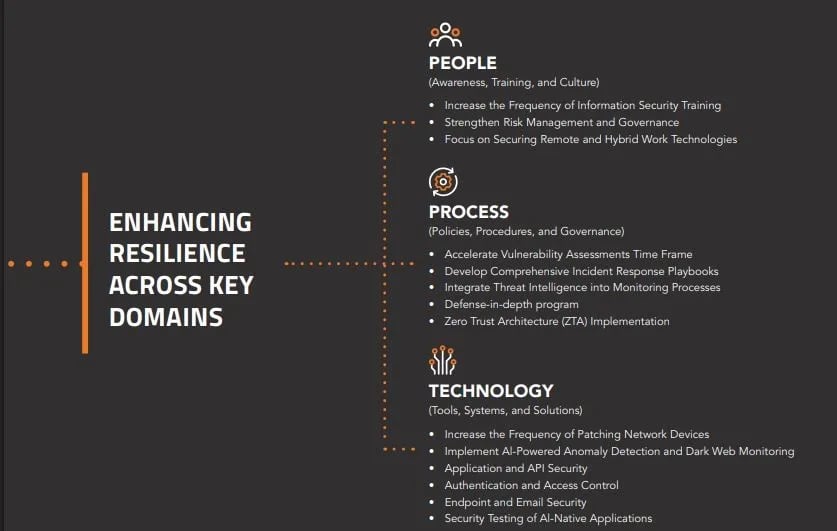
Mitigation Strategies
- Multi-Factor Authentication (MFA): Enable MFA for VPNs, webmail, and accounts accessing critical systems.
- Regular Updates: Ensure all operating systems and applications are updated regularly. Use virtual patching to protect legacy systems and networks.
- Data Protection: Enforce data protection, backup, and recovery measures. Encrypt data at rest to safeguard against breaches and exfiltration.
- Network Segmentation: Implement network segmentation into security zones. Separate administrative networks from business processes using physical controls and VLANs.
Conclusion
- There is a need for unified technology, compliance, and threat intelligence to safeguard financial transactions.
- The report provides actionable steps based on audits and incident analysis to close control gaps, strengthen defenses, and build adaptive strategies.
- It advocates for a proactive, intelligence-driven cybersecurity strategy for financial institutions.
| What is Cybercrime? – Cybercrime refers to criminal activities that involve the use of computers, networks, and digital technologies. – Cybercriminals employ various techniques and tools to exploit vulnerabilities in networks, and they may target individuals, organizations, or even governments. Common types of Cybercrime include – Hacking: Unauthorized access to computer systems or networks to steal, alter, or destroy data. – Phishing: Deceptive attempts to acquire sensitive information, such as usernames, passwords, and financial details, by posing as a trustworthy entity. – Malware: Malicious software designed to disrupt, damage, or gain unauthorized access to computer systems. This includes viruses, worms, trojans, ransomware, and spyware. – Identity Theft: Stealing and using someone’s personal information, such as social security numbers or credit card details, for fraudulent purposes. – Cyber Espionage: Covert activities aimed at gaining unauthorized access to sensitive information for political, economic, or military purposes. – Cyberbullying: Using digital platforms to harass, threaten, or intimidate individuals. – Online Fraud: Engaging in fraudulent activities, such as online scams and financial fraud, to deceive and exploit victims for monetary gain. Cyber Security Initiatives – Cyber Fraud Mitigation Centre (CFMC): Aims to enable immediate action against online financial crimes. 1. Acts as a centralized response system for digital financial frauds. Promotes “Cooperative Federalism” in cybercrime law enforcement. – ‘Cyber Commandos’ Program: Establishment of a special wing of trained personnel in States and Union Territories – Central Police Organizations (CPOs): Enhances technical capacity of police and security forces in cyber investigations and digital forensics. – Samanvay Platform: A web-based module designed to serve as a one-stop portal for all cybercrime data. Facilitate data repository, analytics, mapping, sharing, and investigation. – Cyber Suspect Registry: Created using inputs from the National Cybercrime Reporting Portal (NCRP). Strengthens fraud risk management in the financial sector. |
Source: PIB