
Tags: GS Paper 2 – Important International Institutions; GS Paper 1 – Art and Culture
For Prelims: UNESCO, World Heritage Convention 1972, Intangible Cultural Heritage Convention 2003, Man and the Biosphere Programme, Creative Cities Network, Memory of the World, Global Geoparks
For Mains: Role of UNESCO in protecting heritage and promoting education, India’s soft power through heritage diplomacy
Why in News?
UNESCO (the United Nations Educational, Scientific and Cultural Organization) marks its 80th anniversary. Its Constitution was signed in London in November 1945 and entered into force on 4 November 1946.
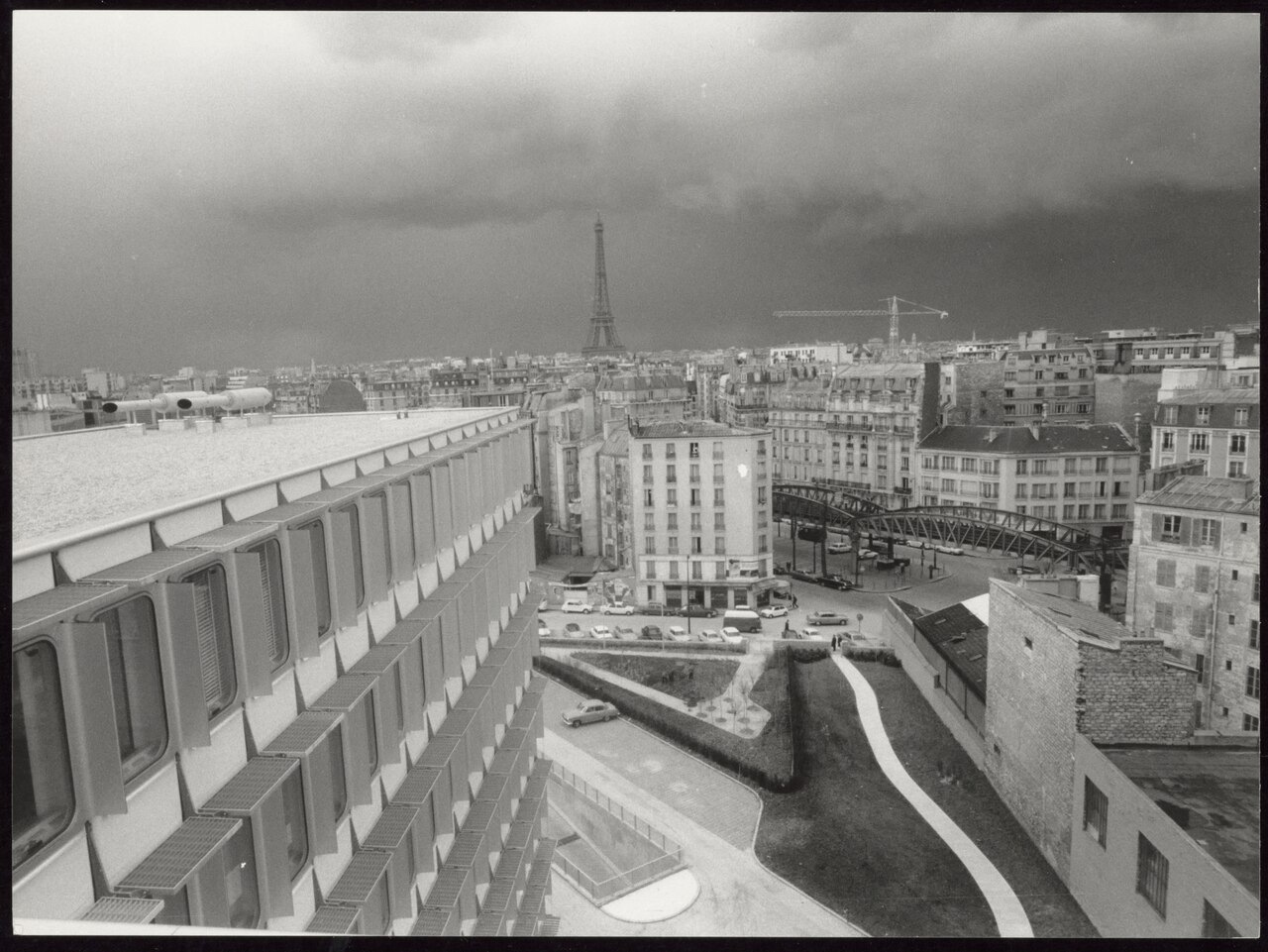
About UNESCO
- Type: A specialised agency of the United Nations.
- Headquarters: Paris, France.
- Mandate: To build peace through international cooperation in education, science, culture, communication and information. Its Constitution says that “since wars begin in the minds of men, it is in the minds of men that the defences of peace must be constructed”.
- Bodies: The General Conference (all member states, every two years), the Executive Board (58 members) and the Secretariat, headed by the Director-General.
- Membership: About 194 member states. The US has withdrawn more than once (in 1984, in 2017–18, and it announced another withdrawal in 2025).
- India is a founding member (1946).
Key Conventions and Programmes
| Instrument / programme | Year | Focus |
|---|---|---|
| World Heritage Convention | 1972 | Cultural and natural sites of ‘Outstanding Universal Value’ |
| Convention for the Safeguarding of Intangible Cultural Heritage | 2003 | Living traditions (for example Yoga, Kumbh Mela, Garba, Durga Puja in Kolkata) |
| Man and the Biosphere (MAB) Programme | 1971 | Biosphere reserves (India has 13 in the World Network) |
| Memory of the World | 1992 | Documentary heritage |
| Creative Cities Network | 2004 | Cities using creativity for development (for example Jaipur, Varanasi, Chennai, Mumbai, Hyderabad, Srinagar, Kozhikode, Gwalior) |
| Global Geoparks | 2015 | Geological heritage |
India and UNESCO
- India has over 40 World Heritage Sites, among the most of any country. Recent additions include Santiniketan and the Hoysala temples (2023), the Moidams of Assam (2024) and the Maratha Military Landscapes (2025).
- India hosted the 46th session of the World Heritage Committee in New Delhi in July 2024.
- India is a member of the Executive Board, and its National Commission for Cooperation with UNESCO works under the Ministry of Education.
Challenges Before UNESCO
- Funding shortfalls after major contributors withdrew.
- Politicisation of heritage listings and of geopolitical disputes.
- Climate threats to heritage sites, and new issues such as AI ethics (UNESCO’s 2021 Recommendation on the Ethics of AI).
Frequently Asked Questions (FAQs)
1. When did UNESCO’s Constitution enter into force?
4 November 1946.
2. Where is UNESCO headquartered?
Paris.
3. Which UNESCO convention protects intangible heritage?
The 2003 Convention for the Safeguarding of Intangible Cultural Heritage.
Sources and further reading
- Dominique Rogercommons.wikimedia.org