
Tags: GS Paper 1 – Geography: Drainage Systems; GS Paper 2 – India and its Neighbourhood; GS Paper 3 – Infrastructure, Environment, Disaster Management
For Prelims: Siang River, Yarlung Tsangpo, Brahmaputra, Medog (Motuo) Hydropower Project, Adi tribe, NHPC, Pre-Feasibility Report, Sixth Schedule vs Fifth Schedule, Forest Rights Act 2006
For Mains: Strategic infrastructure versus indigenous rights, transboundary river management with China, seismic and ecological risks of mega dams in the Eastern Himalaya
Why in News?
Protests by the Adi community in Arunachal Pradesh against the Siang Upper Multipurpose Project (SUMP) have grown stronger. The State is pushing for a Pre-Feasibility Report (PFR) survey at the proposed sites. In October 2026, protesters reported lathi charges in Uggeng village and arrests of anti-dam activists, some under the Arunachal Pradesh Unlawful Activities (Prevention) Act, 2014. The Siang Indigenous Farmers’ Forum (SIFF) has turned down fresh invitations for talks with the State government.
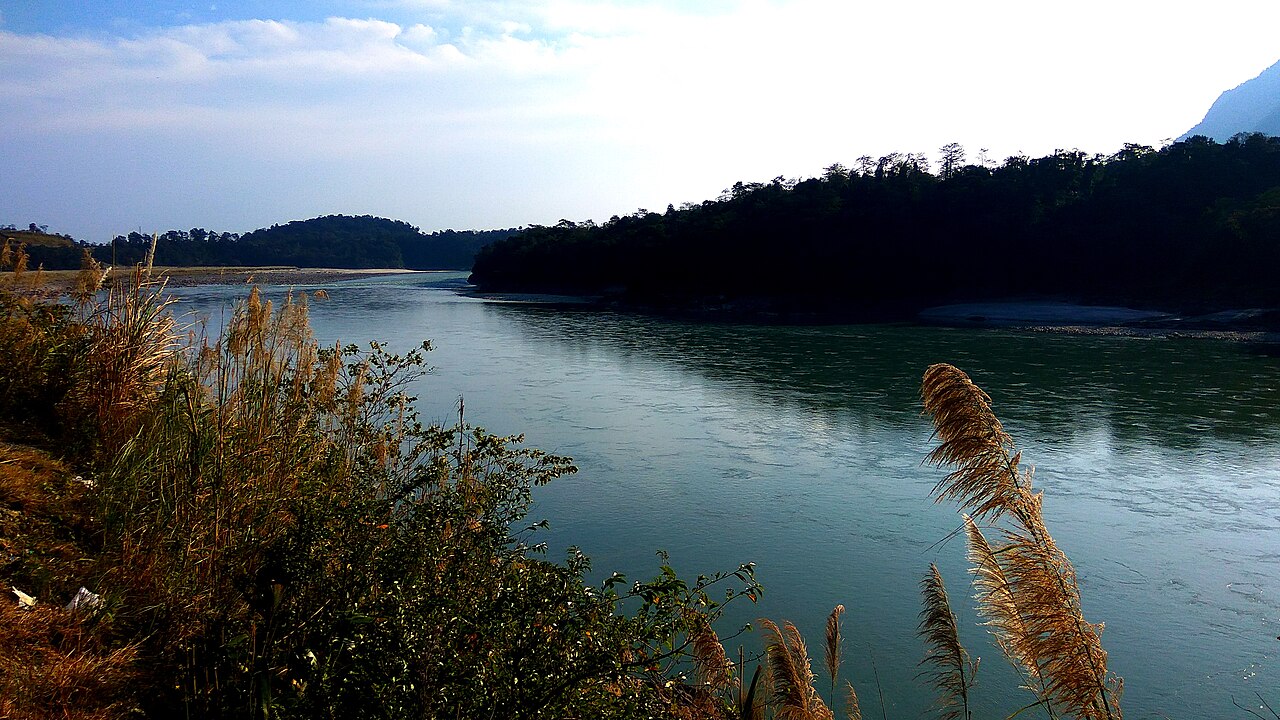
Summary
- SUMP is a proposed ~11,000 MW multipurpose hydropower project by NHPC on the Siang river. It was declared a national project in 2008.
- The government presents it as a strategic buffer against China’s Medog dam on the Yarlung Tsangpo upstream.
- The Adi people fear the loss of land, livelihoods, burial grounds and their way of life, and allege that consent is being obtained through pressure.
About the Siang Upper Multipurpose Project
- Location: Upper Siang and Siang districts of Arunachal Pradesh. Parong, Uggeng and other villages are among the proposed survey sites.
- Purpose: Hydropower generation, flood moderation for Assam, and a large water storage reservoir to absorb sudden releases or diversion of water from upstream.
- Scale: It would be among India’s largest hydropower projects, with a planned live storage of about 9 billion cubic metres.
China’s Medog (Motuo) Project
- China approved a ~60 GW hydropower project on the lower Yarlung Tsangpo near the Great Bend in Medog county, Tibet, in December 2024. Construction began in 2025.
- Once complete, it would be the world’s largest hydropower project, larger than the Three Gorges Dam.
- India’s concerns: Control over flow timing, sudden releases during floods, trapping of sediment that affects downstream fertility, and the lack of a water-sharing treaty. India and China have only MoUs on sharing flood-season hydrological data and an Expert Level Mechanism set up in 2006.
The River System
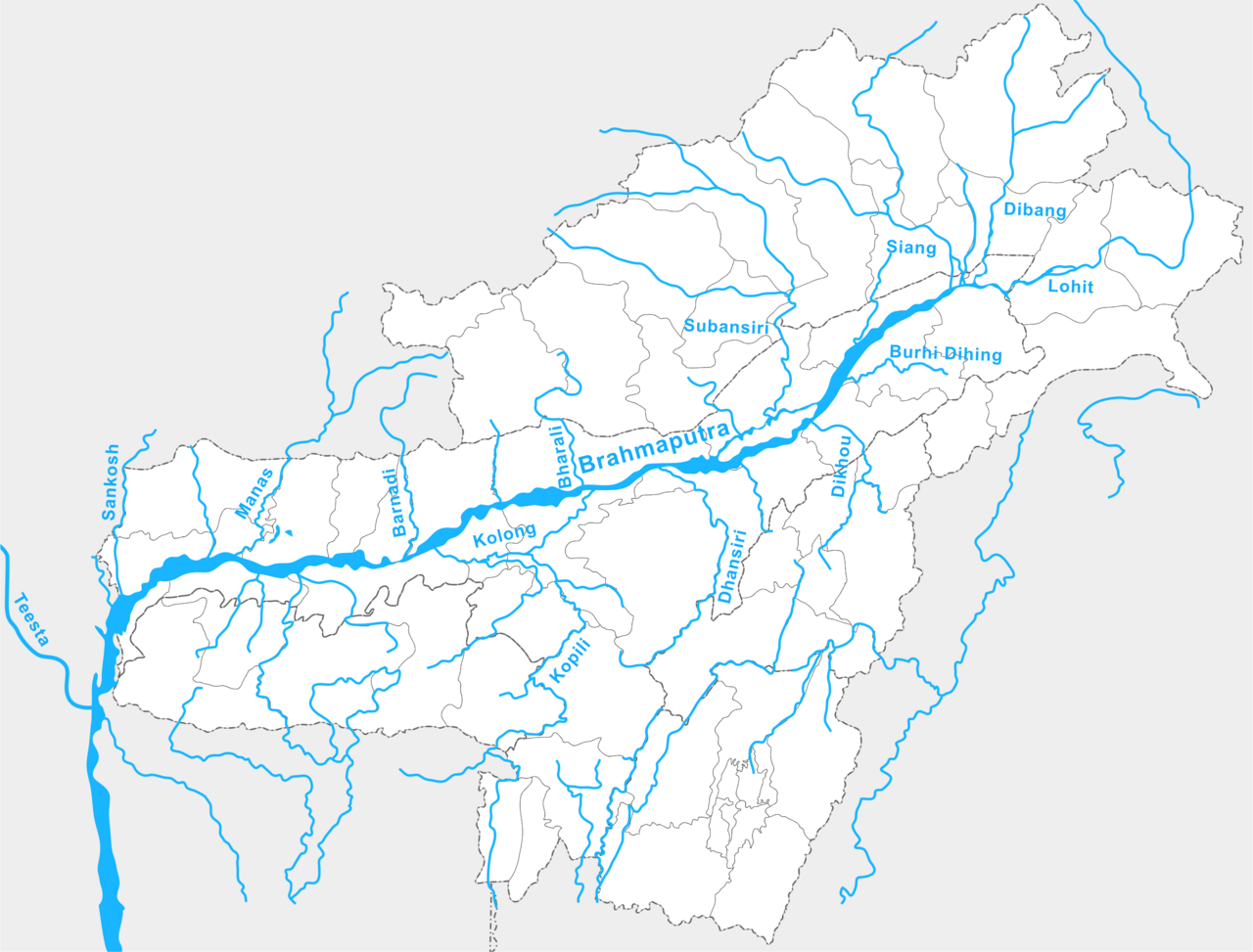
- The Yarlung Tsangpo rises near the Angsi glacier close to Mansarovar in Tibet. It flows east, takes a sharp U-turn around Namcha Barwa (the Great Bend), and enters India as the Siang in Arunachal Pradesh.
- After the Dibang and Lohit join it, it becomes the Brahmaputra in Assam. In Bangladesh it is called the Jamuna.
Why are the Adi People Opposing the Project?
- Displacement: Many villages would be submerged, along with farmland, community forests and ancestral burial sites.
- Cultural identity: The Siang (called Aane Siang, or Mother Siang) is central to Adi belief and their customary institutions such as the Kebang.
- Consent concerns: Locals allege the PFR survey is being pushed through with heavy security deployment, inducements and arrests. Free, prior and informed consent and the gram sabha role under the Forest Rights Act, 2006 are central to the dispute.
- Livelihood: Wet-rice cultivation, fishing and the use of forest produce depend on the river’s natural flow.
Environmental and Safety Concerns
- Seismic risk: The Eastern Himalaya is in Seismic Zone V. The 1950 Assam–Tibet earthquake (magnitude 8.6) struck this region.
- Biodiversity: The region is part of the Eastern Himalaya global biodiversity hotspot.
- Sediment and floods: Large reservoirs trap silt, which changes river courses and reduces the fertility of the Assam floodplains.
- Cumulative impact: There are many dams planned in the Brahmaputra basin, but no full basin-wide impact assessment.
Way Forward
- Hold a transparent consultation through customary institutions and gram sabhas, and stop the use of force and preventive detention against peaceful protesters.
- Carry out an independent cumulative and carrying-capacity study of the basin, including seismic risk.
- Consider alternatives such as a smaller project, a run-of-the-river design, or storage at other locations, with fair rehabilitation and benefit-sharing.
- Diplomatically, push China for a transboundary river agreement and year-round data sharing.
Conclusion
The Siang dispute sets strategic water security against the rights and identity of an indigenous community. A project meant to protect the Brahmaputra basin will hold up only if it has the trust and consent of the people who live along the river.
Frequently Asked Questions (FAQs)
1. What is the Siang called in Tibet and in Bangladesh?
The Yarlung Tsangpo in Tibet and the Jamuna in Bangladesh.
2. Which organisation is developing the Siang Upper Multipurpose Project?
NHPC Limited.
3. Which community is leading the protests?
The Adi community, through the Siang Indigenous Farmers’ Forum (SIFF).
Practice Question
Mains: Mega dams in the Eastern Himalaya are seen as a strategic necessity but a social and ecological risk. Discuss with reference to the Siang Upper Multipurpose Project. (250 words)
Sources and further reading
- ঈশান জ্যোতি বৰাcommons.wikimedia.org
- Renzutcommons.wikimedia.org