
Tags: GS Paper 2 – India and its Neighbourhood, Bilateral Agreements; GS Paper 1 – Drainage Systems
For Prelims: Ganga Water Treaty 1996, Farakka Barrage, Joint Rivers Commission (1972), Hooghly, Padma, Teesta, 54 common rivers, lean season
For Mains: Transboundary river management in South Asia, India–Bangladesh relations after political change in Dhaka, water diplomacy
Why in News?
The India–Bangladesh Ganga Water Treaty, signed in 1996 for 30 years, will expire on 12 December 2026. The Ministry of External Affairs said the Joint Rivers Commission (JRC) provides a “structured mechanism” for discussions. India has invited Bangladesh Prime Minister Tarique Rahman to visit, but there is no update yet on the treaty’s renewal or the dates of the visit.
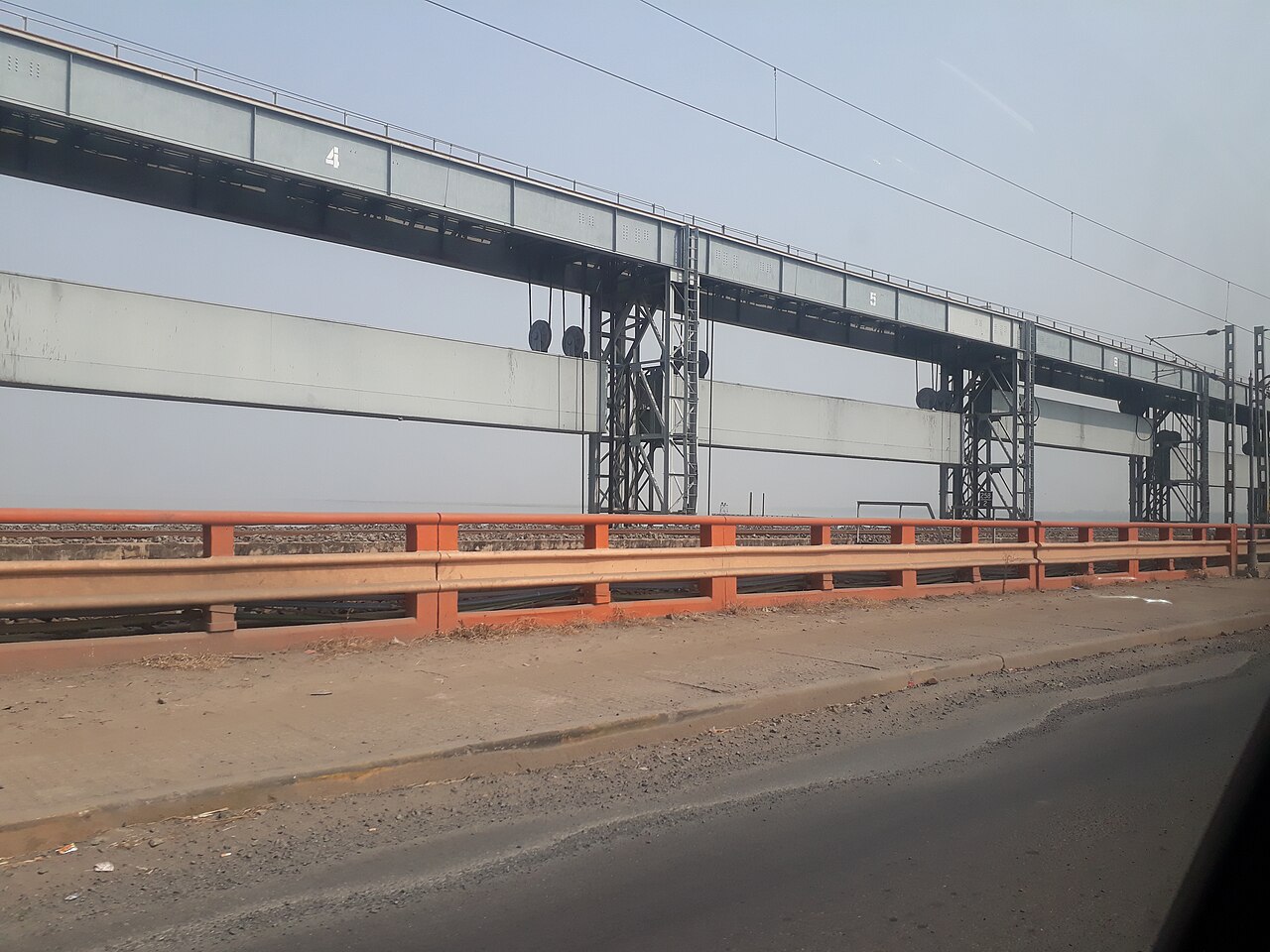
About the Ganga Water Treaty, 1996
- Signed on 12 December 1996 by Prime Ministers H.D. Deve Gowda and Sheikh Hasina, for a period of 30 years.
- It governs the sharing of the Ganga’s waters at Farakka during the lean season (1 January–31 May), in 10-day periods.
- Formula: If flow is 70,000 cusecs or less, each side gets 50%. Between 70,000 and 75,000 cusecs, Bangladesh gets 35,000 cusecs. At 75,000 cusecs or more, India gets 40,000 cusecs. In critical periods, each side is guaranteed 35,000 cusecs in alternate 10-day cycles.
- Renewal requires mutual consent. There is no automatic extension.
Farakka Barrage
- Built on the Ganga in Murshidabad, West Bengal, and commissioned in 1975.
- Purpose: Divert water into the Bhagirathi–Hooghly through a feeder canal, to flush silt and keep Kolkata Port navigable.
- Bangladesh says it reduced dry-season flows in the Padma, causing salinity, damage to the Sundarbans and farm losses.
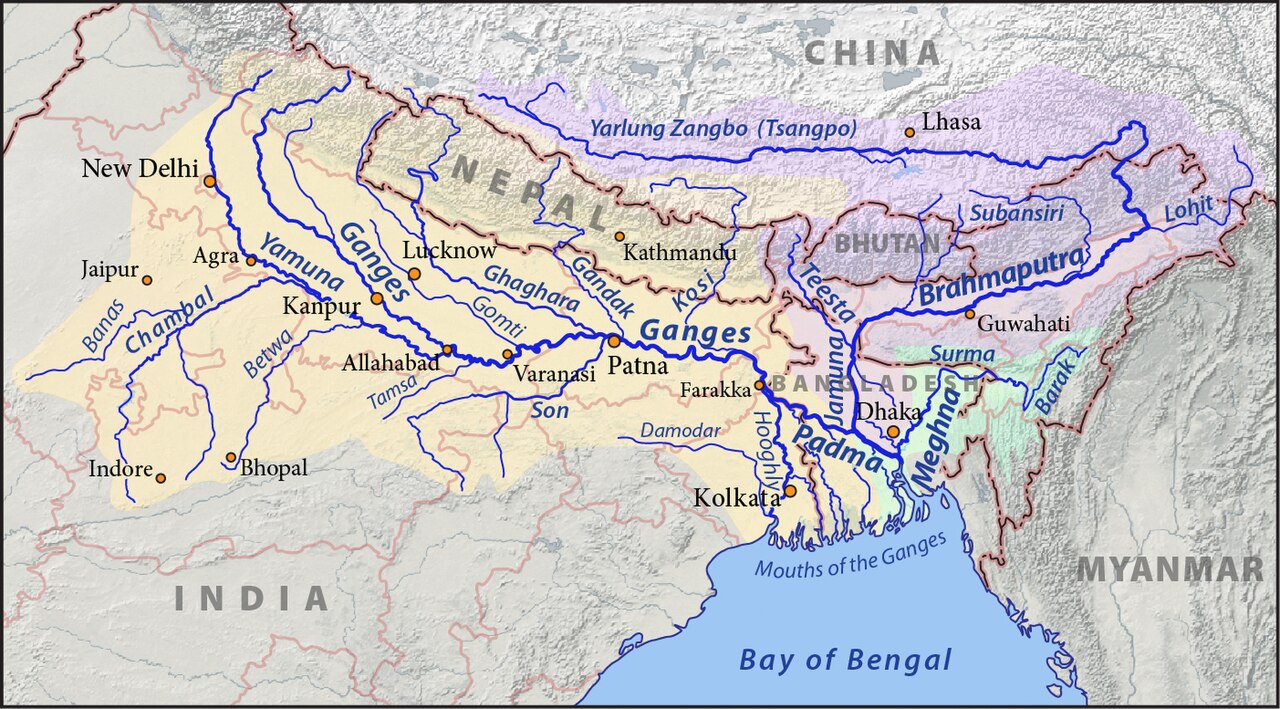
India–Bangladesh Water Cooperation
- The two countries share 54 rivers.
- Joint Rivers Commission: Set up in 1972 at ministerial level.
- Kushiyara (2022): An interim water-sharing MoU, the first since 1996.
- Teesta: An agreement was nearly concluded in 2011 but is stalled because of West Bengal’s objections. Bangladesh has explored a Teesta project with China.
Challenges to Renewal
- Political change in Dhaka: After the fall of Sheikh Hasina in 2024 and the BNP government that followed, bilateral trust has weakened. Hasina’s stay in India adds to the strain.
- Lower flows: Upstream use, climate change and siltation have reduced flows at Farakka.
- Role of States: West Bengal and Bihar want a say on how much water goes downstream.
- China factor: Dhaka’s engagement with Beijing on river projects (Teesta) and dams on the Brahmaputra.
- The treaty has no minimum guarantee clause or arbitration mechanism.
Way Forward
- Agree on an interim extension to avoid a legal vacuum during the 2027 lean season.
- Move to basin-level management covering the Ganga–Brahmaputra–Meghna system, including Nepal and Bhutan for storage.
- Share data jointly and monitor flows in real time.
- Consult the States early, and resolve Teesta as part of a wider deal.
Conclusion
The 1996 treaty was a landmark of India–Bangladesh trust. Renewing it in today’s changed political climate will test India’s neighbourhood diplomacy. Water shared fairly can help stabilise the relationship.
Frequently Asked Questions (FAQs)
1. When does the Ganga Water Treaty expire?
12 December 2026.
2. What is the lean season under the treaty?
1 January to 31 May.
3. Why was the Farakka Barrage built?
To divert water into the Hooghly to keep Kolkata Port navigable.
Practice Question
Mains: The renewal of the Ganga Water Treaty is a test of India’s neighbourhood policy. Discuss the issues involved and suggest a framework for basin-level cooperation. (250 words)