
 Forest Services
The Chipko Movement: Hugging Trees to Save the Planet
The Chipko Movement stands as a powerful symbol of grassroots environmental activism, showcasing how ordinary people, armed with determination and unity, can challenge powerful systems to protect their natural heritage. Born in the 1970s in the Himalayan region of Uttarakhand (then part of Uttar Pradesh), this movement not only saved thousands of trees but also redefined the relationship between humanity and nature.
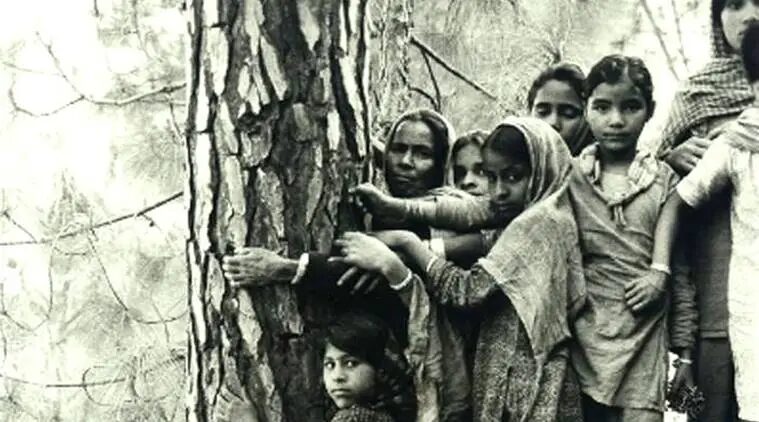
The word “Chipko” means “to hug” in Hindi, reflecting the central strategy of the movement—villagers physically embracing trees to stop them from being cut. It was a non-violent yet deeply impactful protest that inspired countless environmental movements across the globe. But how did a small group of rural villagers come to challenge a system that prioritized profit over nature? Let’s explore the fascinating journey of the Chipko Movement.
1. The Roots of the Chipko Movement
1.1 A Community Under Threat
In the early 20th century, the lush forests of Uttarakhand provided vital resources to the local communities—firewood, fodder for livestock, timber for homes, and water from streams sustained by the trees. However, by the 1960s and 1970s, industrial logging projects sanctioned by the government began to decimate these forests. The focus was on economic gain, with little regard for the devastating impact on local ecosystems and communities.
For the villagers, the destruction of forests brought severe hardships:
- Water Sources Dried Up: Forests that regulated water cycles and fed streams were being razed.
- Farming Suffered: Soil erosion and flooding became common as tree cover disappeared.
- Daily Struggles Intensified: Women, who relied on forests for firewood and fodder, had to walk further each day to gather basic necessities.
The ecological crisis left the villagers with no choice but to act. Their very survival was at stake.
1.2 Inspiration from History
The Chipko Movement wasn’t a spontaneous act but rather the result of historical inspiration and local traditions:
- Bishnoi Community’s Legacy: In 1730, the Bishnoi villagers of Rajasthan, led by Amrita Devi, hugged trees and sacrificed their lives to prevent deforestation by the king’s soldiers.
- Van Panchayats: Community forest councils in Uttarakhand had long encouraged collective care of forests, instilling a sense of responsibility among villagers.
These cultural and historical precedents laid the groundwork for the Chipko Movement’s unique approach to forest conservation.
2. The Birth of the Chipko Movement
The Chipko Movement officially began in 1973 in Mandal Village, near Gopeshwar in Uttarakhand. The immediate trigger was a decision by the government to allocate forest land to a sports goods company for commercial logging, depriving the villagers of their lifeline.
2.1 The First Protest
When loggers arrived to cut down the trees, the villagers, led by Chandi Prasad Bhatt, Sunderlal Bahuguna, and local women, organized a non-violent protest. The villagers hugged the trees, forming a human shield around them, which forced the logging contractors to retreat. This act of defiance not only saved the forests but also attracted national attention to their cause.
3. Objectives of the Chipko Movement
The Chipko Movement was not just about saving trees but about redefining the relationship between humans and nature. Its objectives included:
- Preventing Deforestation:
- Immediate protection of forests from commercial exploitation.
- Promoting Environmental Awareness:
- Educating communities about the importance of forests for the environment and livelihoods.
- Empowering Local Communities:
- Advocating for local control over forest resources rather than centralized or commercial ownership.
- Sustainable Development:
- Encouraging eco-friendly practices that balanced environmental conservation with economic needs.
4. The Role of Women in the Chipko Movement
One of the most remarkable aspects of the Chipko Movement was the central role played by women. In rural Uttarakhand, women were the primary users of forest resources for their households and were directly affected by deforestation.
4.1 Women as Leaders
- Gaura Devi, a local elder from Reni village, emerged as a strong leader in the movement. In 1974, she and other women prevented loggers from cutting down trees by hugging them and refusing to move, even under threats.
- Women like Gaura Devi demonstrated incredible courage and solidarity, making the Chipko Movement not only an environmental struggle but also a fight for gender empowerment.
4.2 Community Solidarity
- Women formed groups to patrol forests, ensuring trees were not cut down secretly.
- They educated others about the ecological importance of forests, inspiring more people to join the cause.
4.3 Why Women Led the Way
For women, the forests were more than just trees—they were a source of life, providing essentials like fuelwood, fodder, and water. Losing the forests meant increased hardship for them and their families. Their intimate connection with the environment made them natural leaders of this movement.
5. Impact and Legacy of the Chipko Movement
5.1 Environmental Impact
The Chipko Movement succeeded in halting many large-scale deforestation projects. In 1980, then Prime Minister Indira Gandhi issued a 15-year ban on tree cutting in the Himalayan forests. This was a major victory for the movement.
5.2 Social and Political Impact
- The movement raised awareness about environmental issues at a time when such concerns were not widely recognized.
- It highlighted the role of local communities, particularly women, in resource conservation.
- It inspired grassroots activism globally, influencing other environmental movements such as the Appiko Movement in Karnataka and campaigns against mining and dam construction.
5.3 Global Recognition
The Chipko Movement became a case study for sustainable development and non-violent resistance. Leaders like Sunderlal Bahuguna became global icons, spreading the message of ecological harmony.
6. Lessons from the Chipko Movement
The Chipko Movement offers timeless lessons:
- Unity is Power: Small communities can achieve great things when united.
- Local Wisdom Matters: Empowering local communities to protect their resources is crucial for sustainable development.
- Women as Change Agents: The movement underscored the transformational role women can play in environmental conservation.
- Non-Violence Wins: Peaceful protest can be a powerful tool for social change.
Conclusion
The Chipko Movement remains one of the most inspiring examples of grassroots environmental activism. It showed the world that protecting nature is not just a duty of governments or environmentalists—it is a collective responsibility. The act of hugging trees symbolized a deep, emotional connection with nature, reminding us all that forests are not just resources to be exploited but lifelines to be cherished.
Even decades later, the message of the Chipko Movement resonates in today’s fight against climate change and environmental destruction, proving that the power of community, courage, and conviction can create lasting change.
Practice Questions for UPSC
Prelims Practice Questions
- 1. The Chipko Movement began in the early 20th century.
- 2. The movement was primarily focused on empowering local communities and promoting environmental awareness.
- 3. The Bishnoi community played a significant role in inspiring the Chipko Movement through their historical actions.
Which of the above statements is/are correct?
- 1. Engaging in violent protests against loggers.
- 2. Hugging trees to form a human shield.
- 3. Negotiating with the government for logging rights.
Which of the above statements is/are correct?
Frequently Asked Questions
What were the main causes leading to the establishment of the Chipko Movement?
The Chipko Movement emerged primarily due to the destructive impact of industrial logging in the forests of Uttarakhand, which jeopardized local livelihoods and ecosystems. The villagers faced severe hardships, including water shortages and soil erosion, compelling them to take action to protect their environment.
How did historical contexts and local traditions influence the Chipko Movement?
Historical contexts such as the Bishnoi community's sacrifice in 1730 and the tradition of community forest councils, or Van Panchayats, established a cultural foundation for the movement. These examples of collective responsibility towards forest conservation inspired locals to adopt a similar approach in the 1970s.
What strategies did the Chipko Movement employ to achieve its objectives?
The Chipko Movement primarily utilized non-violent protests, particularly the act of hugging trees, to directly confront logging operations. This grassroots approach not only served immediate protective goals but also fostered broader environmental awareness and local empowerment in managing forest resources.
What was the significance of women’s involvement in the Chipko Movement?
Women played a crucial role in the Chipko Movement, as they were the primary users of forest resources and profoundly affected by deforestation. Leaders like Gaura Devi exemplified their strength and determination, showcasing women's pivotal role in environmental activism and the movement's success.
What were the broader implications of the Chipko Movement beyond local forest conservation?
The Chipko Movement had far-reaching implications, inspiring global environmental movements and reshaping the discourse around sustainable development. It highlighted the need for a balanced relationship between economic activities and environmental conservation, advocating for collective community ownership of natural resources.
Source: LearnPro Editorial | Environmental Ecology | Published: 4 July 2024 | Last updated: 10 March 2026
About LearnPro Editorial Standards
LearnPro editorial content is researched and reviewed by subject matter experts with backgrounds in civil services preparation. Our articles draw from official government sources, NCERT textbooks, standard reference materials, and reputed publications including The Hindu, Indian Express, and PIB.
Content is regularly updated to reflect the latest syllabus changes, exam patterns, and current developments. For corrections or feedback, contact us at admin@learnpro.in.