
Brief Context
Context In India, the government has been working to transform primary health care through innovative policies and programs, addressing challenges such as accessibility, affordability, and visibility. About the Primary Healthcare in India According to WHO, Primary Health Care (PHC) is a whole-of-society approach to effectively organize and strengthen national health systems to bring services for health and wellbeing closer to communities. It aims to provide accessible, affordable, and comprehens
Source Content
Syllabus: GS2/Health
Context
- In India, the government has been working to transform primary health care through innovative policies and programs, addressing challenges such as accessibility, affordability, and visibility.
About the Primary Healthcare in India
- According to WHO, Primary Health Care (PHC) is a whole-of-society approach to effectively organize and strengthen national health systems to bring services for health and wellbeing closer to communities.
- It aims to provide accessible, affordable, and comprehensive services to all citizens.
- It focuses on promotive, preventive, curative, rehabilitative, and palliative care, ensuring equitable access to essential health services.
- Alma-Ata Declaration of 1978 identified PHC as essential health care based on scientifically sound and socially acceptable methods.
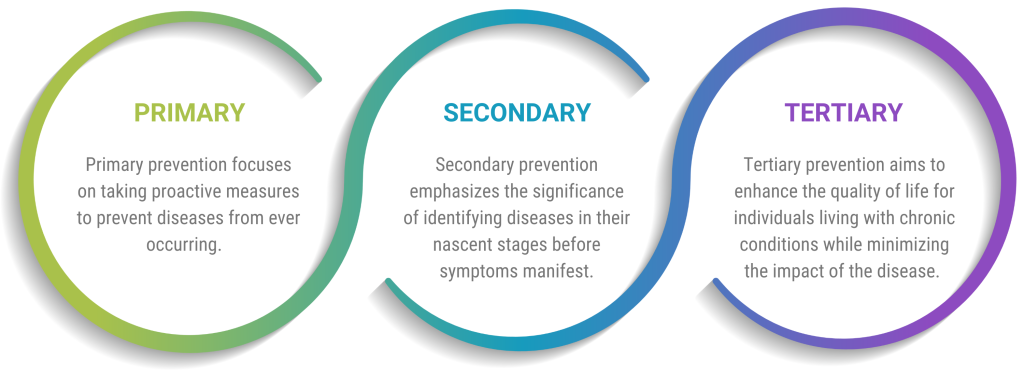
Key Concerns in Primary Healthcare
- Urban vs. Rural Divide:Urban slums, while geographically closer to tertiary care centers, still face issues of affordability and overcrowding.
- Rural areas house over 65% of the population but suffer from shortage of PHCs and trained medical personnel, along with poor transport connectivity.
- Human Resource Shortages (2023–24):
- Shortfall of 77% surgeons, 69% obstetricians, 70% physicians at Community Health Centres.
- 10–25% staff nurse vacancies in many states.
- Burden of NCDs and Mental Health: PHCs are now expected to manage lifestyle diseases and mental health concerns.
- However, limited staff training and infrastructure often hinder effective response.
Key Government Initiatives
- National Health Mission: India has a vast network of Sub-Centres (SCs), Primary Health Centres (PHCs), and Community Health Centres (CHCs).
- These facilities serve as the first point of contact for individuals seeking healthcare services.
- According to the National Health Mission, there are 1.6 lakh sub-centres, 26,636 PHCs, and 6,155 CHCs across the country.
- Ayushman Bharat Program (2018): It aims to transform primary healthcare through Health and Wellness Centres (HWCs).
- HWCs provide services related to non-communicable diseases, maternal and child health, mental health, and geriatric care.
- Comprehensive Primary Health Care (CPHC): The National Health Policy 2017 emphasizes universal health coverage through CPHC.
- It integrates traditional medicine systems like Ayurveda, Yoga, Unani, Siddha, and Homeopathy (AYUSH) with modern healthcare.
- Focus on Underserved Areas: Initiatives like the Aspirational District Program (ADP) and Aspirational Block Program (ABP) aim to improve healthcare in underdeveloped regions.
- Pradhan Mantri Ayushman Bharat Health Infrastructure Mission (PM-ABHIM): It focuses on equipping India’s health system with the necessary infrastructure, with an outlay of ₹64,180 crore.
- Women Led Initiatives:
- Role of Self Help Groups (SHGs): Over 1.9 crore women are empowered through SHGs that promote awareness on PHC services.
Global Initiatives
- Universal Health Coverage (UHC): It aims to ensure that all individuals have access to quality health services without financial hardship.
- Scaling up primary healthcare interventions in low- and middle-income countries could save 60 million lives and increase average life expectancy by 3.7 years by 2030.
- Global Health Programs: Programs like the Global Fund to Fight AIDS, Tuberculosis, and Malaria focus on integrating primary healthcare with disease-specific interventions.
- The Gavi Alliance supports immunization efforts, strengthening primary healthcare systems in developing countries.
Way Forward
- Strengthening Infrastructure: Expanding the network of HWCs and ensuring their functionality in underserved areas is crucial.
- Investments in telemedicine can bridge the gap between urban and rural healthcare access.
- Enhancing Awareness: Community outreach programs and health education campaigns can improve visibility and utilization of health services.
- Ensuring Affordability: Continued efforts to reduce out-of-pocket expenses and provide financial protection through schemes like PM-JAY are essential.