
Brief Context
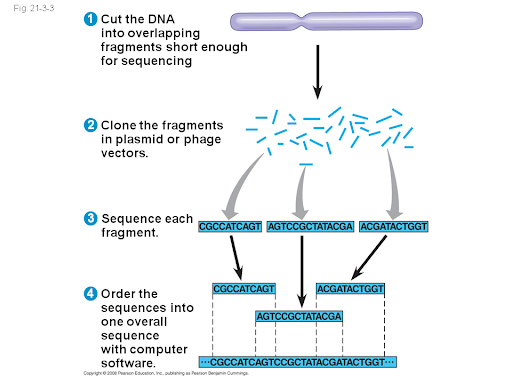
Context The GenomeIndia project has published preliminary findings based on genome sequencing of 9,772 individuals across 85 diverse Indian populations. What is genome sequencing? It is the process of determining the complete DNA sequence of an organisms genome, which includes all its genes and non-coding regions.
Source Content
Syllabus: GS3/ Science and Technology
Context
- The GenomeIndia project has published preliminary findings based on genome sequencing of 9,772 individuals across 85 diverse Indian populations.
What is genome sequencing?
- It is the process of determining the complete DNA sequence of an organism’s genome, which includes all its genes and non-coding regions.
- It involves identifying the exact order of the four nucleotide bases (adenine, cytosine, guanine, and thymine) that make up the DNA.
Key Findings of the study
- 180 million genetic variants discovered:
- 130 million in autosomes (non-sex chromosomes).
- 50 million in sex chromosomes (X and Y).
- Population-specific uniqueness: Certain variants are found exclusively in specific communities, pointing to localized genetic adaptations.
- Disease-related variants: Some variants indicate susceptibility or resistance to infectious diseases, while others relate to environmental adaptations, e.g., high altitude, low oxygen.
Importance of the study
- It enables personalized treatment protocols based on individual genetic makeup.
- It identifies genetic markers for complex diseases like diabetes, cancer, cardiovascular disorders.
- It helps in predicting drug response, minimizing adverse effects through pharmacogenomics.
| What is GenomeIndia Project? – The objective of GenomeIndia is to build a comprehensive catalogue of genetic variations that reflect the unique diversity of the Indian population. – It is a collaborative effort of 20 institutions and funded by the Department of Biotechnology, Ministry of Science and Technology. Goals of the project: 1. Establish a Robust Biobank for Future Research: Collect and store 20,000 blood samples to enable cutting-edge biological research and advancements. 2. Enable Open Access to Genomic Data: Provide publicly accessible genomic datasets through the Indian Biological Data Centre (IBDC), fostering global research collaborations and innovation. |
Source: TH