
 Forest Services
Introduction to Balaji Temple in Jharkhand
The proposed construction of the Balaji Temple in Jharkhand marks a significant development in the state's religious and cultural domain. This initiative by the Tirumala Tirupati Devasthanams (TTD) aligns with its vision of creating replicas of the iconic Tirupati Balaji Temple across India. The temple, to be located in Deoghar, aims to enhance the region's spiritual significance, attract tourism, and promote cultural integration.
- Recently, TTD announced plans to construct a replica of the Tirupati Balaji Temple in Deoghar, Jharkhand.
- The Jharkhand Government has allocated 100 acres of land for this project, a location already known for its religious importance due to the presence of the Baidyanath Temple (a jyotirlinga and Shakti Peeth).
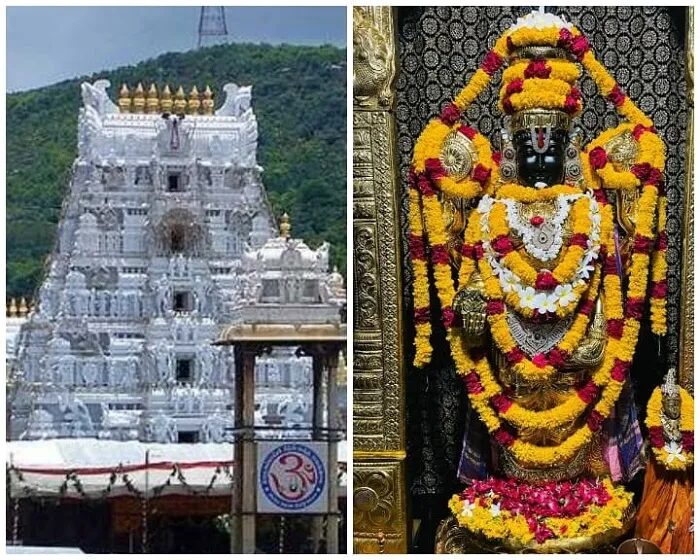
Key Aspects of the Balaji Temple Project
Location and Importance
- Deoghar is one of Jharkhand’s holiest cities, hosting thousands of pilgrims annually due to the Baidyanath Dham Jyotirlinga.
- The addition of the Balaji Temple will make Deoghar a multi-faith spiritual hub, increasing its national and international prominence.
TTD’s Vision
- The Tirumala Tirupati Devasthanams (TTD) plans to establish Balaji temples in every state and union territory.
- The trust has already established temples in states such as Jammu, Odisha, Tamil Nadu, and Telangana, aiming to make spiritual experiences more accessible to devotees nationwide.
Economic and Tourism Impact
- The Balaji Temple in Jharkhand is expected to:
- Increase tourism, benefiting local businesses and boosting the regional economy.
- Create employment opportunities in construction, hospitality, and other allied industries.
- It will also attract devotees from nearby states, making it a major pilgrimage destination in eastern India.
Collaboration with the Government
- The Jharkhand Government initiated discussions with Andhra Pradesh Chief Minister YS Jagan Mohan Reddy to ensure the successful establishment of the temple.
- The project emphasizes inter-state cultural collaboration and unity.
Challenges and Potential Impacts
Challenges
- Land and Environmental Concerns
- Allocating 100 acres for the temple raises questions about land use and its potential environmental impact.
- Measures must be implemented to ensure eco-friendly construction practices.
- Preserving Local Cultural Identity
- While the Balaji Temple brings southern traditions to Jharkhand, it must harmoniously integrate with the existing cultural and religious practices of the region.
Potential Benefits
- Enhanced Religious Significance
- The temple will elevate Deoghar’s status as a major religious tourism hub.
- It will create a unique blend of traditions, with Balaji Temple representing southern Indian culture and Baidyanath Temple embodying northern spiritual heritage.
- Economic Growth
- The influx of tourists is expected to boost the local economy, particularly in the hospitality and retail sectors.
- Infrastructure development in and around Deoghar will benefit the local population.
- Cultural Integration
- The project fosters cultural exchange between southern and eastern India, promoting national unity and shared heritage.
Conclusion and Further Resources
The establishment of the Balaji Temple in Jharkhand is a milestone project that underscores the state’s growing prominence in India’s spiritual map. By enhancing religious tourism and fostering cultural integration, the temple promises to bring significant economic, cultural, and spiritual benefits to Jharkhand. For aspirants preparing for Jharkhand Government exams, this initiative is a crucial topic under current affairs and reflects the evolving cultural narrative of the state.
- Learn more about India’s GSDP trends: Economic Survey of India
- Explore Jharkhand’s Industrial Policy: Government of Jharkhand
- Skill Development Programs: PMKVY Official Site
- JPSC official Site : https://www.jpsc.gov.in/
Posts related to JPSC on LearnPro’s website:
- JPSC Notes: Access expertly curated notes covering essential topics for both JPSC Prelims and Mains exams.
- 14th JPSC PT Exam Comprehensive Test Series: Enhance your preparation with a structured test series designed to cover all aspects of the JPSC Preliminary Test syllabus, emphasizing Jharkhand-specific topics and current affairs.
- JPSC Notification 2024: Stay informed about the latest updates, including exam dates, eligibility criteria, and vacancy details for the JPSC 2024 examination.
- General Introduction to Jharkhand for JPSC Exam: Gain a comprehensive understanding of Jharkhand’s history, geography, economy, and culture, crucial for the JPSC exam.
Source : TOI

Practice Questions for UPSC
Prelims Practice Questions
- 1. The temple will attract domestic and international tourists.
- 2. The Jharkhand Government has opposed the construction project.
- 3. The temple aims to integrate southern Indian culture with the local traditions.
Which of the above statements is/are correct?
- 1. To create a multi-faith spiritual hub.
- 2. To displace local residents for construction.
- 3. To enhance economic growth through tourism.
Frequently Asked Questions
What is the primary objective behind constructing the Balaji Temple in Jharkhand?
The primary objective of constructing the Balaji Temple in Jharkhand is to enhance the spiritual significance of Deoghar and attract more tourism. This aligns with the Tirumala Tirupati Devasthanams' vision to create replicas of the Tirupati Balaji Temple across India, fostering cultural integration and benefiting local economies.
How does the Jharkhand Government support the construction of the Balaji Temple?
The Jharkhand Government has allocated 100 acres of land for the Balaji Temple, emphasizing its commitment to promoting religious tourism. Additionally, discussions with the Andhra Pradesh Chief Minister indicate a collaborative approach to ensure the project's success, highlighting inter-state cultural ties.
In what ways is the Balaji Temple expected to impact the local economy and tourism?
The Balaji Temple is expected to significantly boost local tourism, which will benefit businesses in the hospitality and retail sectors. The anticipated influx of pilgrims will create job opportunities and stimulate infrastructure development, leading to overall economic growth in the Deoghar region.
What challenges are associated with the construction of the Balaji Temple in Jharkhand?
One major challenge is addressing land use and environmental concerns tied to the allocation of 100 acres for the temple. Furthermore, integrating the temple’s architecture and culture with the existing local practices in Deoghar presents a challenge in preserving the area's cultural identity.
How does the construction of the Balaji Temple promote cultural integration in India?
The construction of the Balaji Temple serves as a bridge between southern and eastern Indian cultures, showcasing a blend of spiritual traditions. This project not only promotes national unity through cultural exchange but also deepens the shared heritage derived from diverse religious practices.
About LearnPro Editorial Standards
LearnPro editorial content is researched and reviewed by subject matter experts with backgrounds in civil services preparation. Our articles draw from official government sources, NCERT textbooks, standard reference materials, and reputed publications including The Hindu, Indian Express, and PIB.
Content is regularly updated to reflect the latest syllabus changes, exam patterns, and current developments. For corrections or feedback, contact us at admin@learnpro.in.