
Brief Context
Context The current education system needs to integrate experiential learning. About The Nature of Learning and the Changing Landscape: Humans are inherently learning beings, and today’s digital world has transformed access to information. With AI and bots capable of teaching concepts, traditional schools are at risk of becoming obsolete if their role is limited to content delivery.
Source Content
Syllabus: GS2/Education
Context
- The current education system needs to integrate experiential learning.
About
- The Nature of Learning and the Changing Landscape: Humans are inherently learning beings, and today’s digital world has transformed access to information.
- With AI and bots capable of teaching concepts, traditional schools are at risk of becoming obsolete if their role is limited to content delivery.
What is Experiential Learning?
- Experiential learning is a method of learning through direct experience, reflection, and application.
- David A. Kolb is widely credited with developing and popularizing the theory of experiential learning.
- Instead of just reading about a concept or listening to a lecture, learners actively engage in activities that allow them to “learn by doing.”
- The focus is on the process of learning rather than just the outcome.
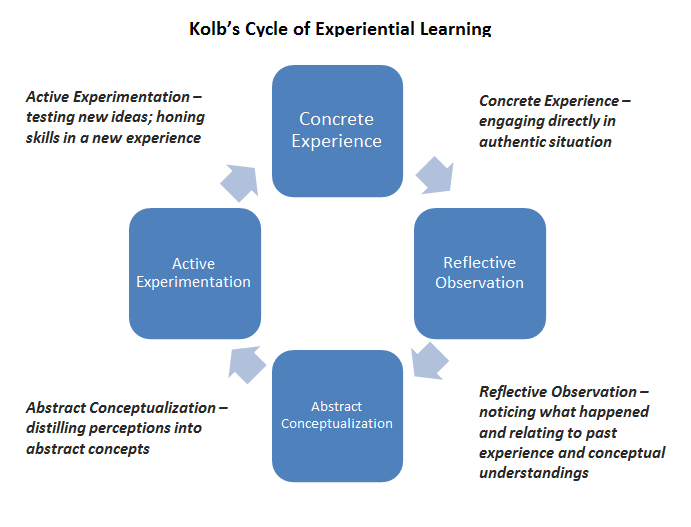
Benefits of Experient Learning:
- Improves critical thinking and problem-solving.
- Enhances engagement and motivation.
- Encourages collaboration and communication.
- Builds transferable, real-world skills.
Challenges
- Requires more time, planning, and resources.
- Difficult to implement uniformly in large classrooms.
- Not all students may be initially ready for self-directed learning.
Need for the Reforms in India
- Schools are affected by infrastructure gaps, teacher shortages, and unequal access, especially in rural and under-resourced contexts.
- Current systems are overly exam-centric and reward memorisation, which limits critical thinking and creativity.
- Neuroplasticity supports the idea that brains can adapt and learn through varied experiences over time.
Best Models of Education System around the world
- Finland: Known for its focus on student well-being and a lack of academic pressure, Finland’s system emphasizes play-based learning in early years and focuses on critical thinking and problem-solving.
- Singapore: High Standards and Rigorous Outcomes.
- World-leading performance in Programme for International Student Assessment (PISA) rankings (math, reading, science).
- Carefully structured curriculum.
- High investment in teacher development.
- Japan: Discipline and Consistency.
- Strong cultural value on education and respect.
- Uniform national curriculum.
- Emphasis on character education and responsibility (e.g., students clean classrooms).
- Strong work ethic and moral development.
Conclusion
- The challenges facing the Indian education system are deep-rooted but not invincible.
- Addressing them requires a multi-pronged approach involving government policy, community participation, teacher empowerment, and technological innovation.
- By investing in inclusive, adaptive, and learner-centric reforms, India can build an education system that equips its citizens for the challenges and opportunities of a rapidly evolving world.
Source: TH